
The historical evolution of gambling A journey through time and risk
The Origins of Gambling in Ancient Civilizations
The practice of gambling dates back to ancient civilizations, where evidence of games of chance has been found in archaeological sites. The earliest known forms of gambling include dice games from Mesopotamia around 3000 BCE. These early games were not just for amusement; they were deeply woven into the cultural fabric of society, often linked to religious rituals or decisions of fate. Additionally, the growth of online casinos shows how far these traditions have evolved over time.

Similarly, the ancient Chinese utilized gambling as early as the Shang Dynasty, with games involving rudimentary forms of betting. These early instances of gambling illustrate humanity’s inherent attraction to risk and chance, setting a foundation for the evolution of gambling practices throughout history.
The Development of Gambling in the Middle Ages
During the Middle Ages, gambling took on new forms, particularly with the introduction of card games in Europe. The tarot deck, originally used for games, slowly became associated with fortune-telling and divination. As gambling grew in popularity, so did the regulations surrounding it, with various monarchs and governments attempting to control its spread.
This period also saw the emergence of organized gambling establishments, particularly in Italy and France. The rise of casinos marked a significant shift, transforming gambling from a private pastime into a public spectacle. The allure of these venues attracted people from all walks of life, which laid the groundwork for modern gambling culture.
The Impact of Technology on Gambling
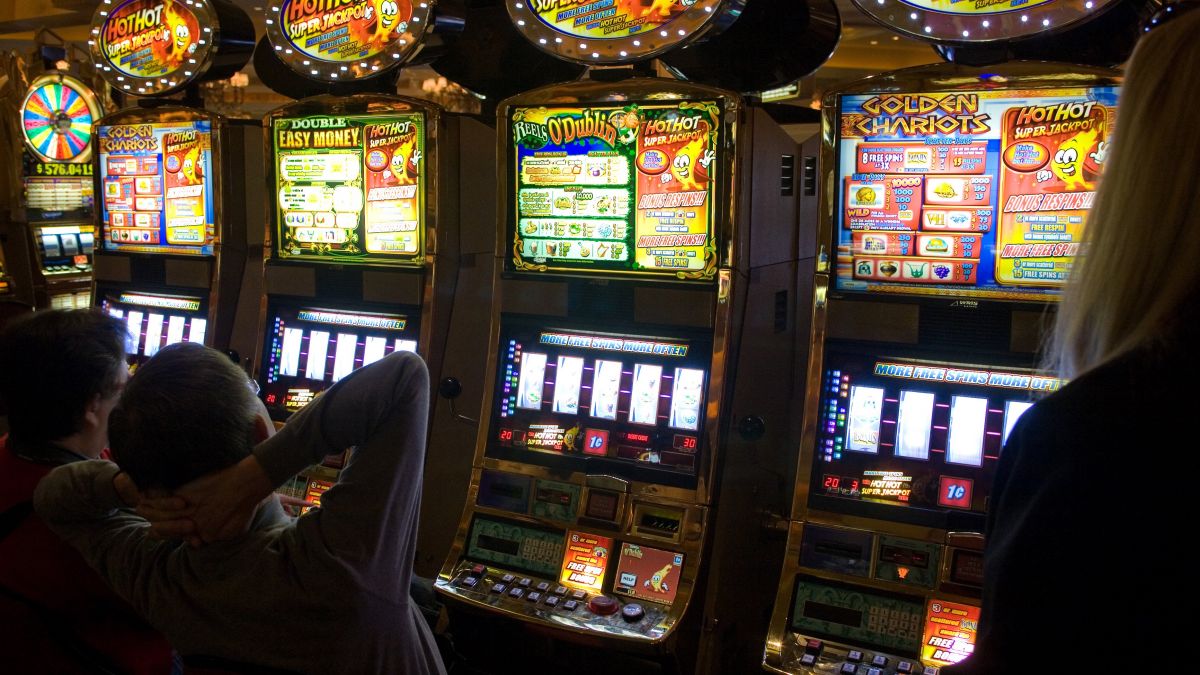
The industrial revolution in the 18th and 19th centuries marked a turning point for gambling, as technology began to influence how games were played. The invention of mechanical slot machines in the late 19th century introduced a new element of chance and excitement, allowing players to engage in gambling with minimal skill required and maximizing the experience.
With the advent of the internet in the late 20th century, online gambling emerged as a groundbreaking development. Virtual casinos and online betting platforms revolutionized the gambling landscape, making games accessible to a global audience. This shift not only changed how people gambled but also expanded the potential for addiction and raised questions about regulation and safety in the online sphere.
The Rise of Responsible Gambling Practices
As gambling became more mainstream, awareness around the potential for addiction and social issues associated with gambling increased. In response, various organizations and governments initiated programs promoting responsible gambling practices. This included self-exclusion programs and educational resources aimed at helping individuals manage their gambling activities.
Additionally, technology has played a crucial role in developing tools for responsible gambling. Features such as deposit limits and time-out options have become commonplace in online gambling platforms, ensuring that players can engage in a safer environment. These measures reflect a growing recognition of the importance of maintaining a balance between entertainment and risk.
Exploring the Future of Gambling
The future of gambling is poised for further evolution, influenced by ongoing technological advancements and changing societal norms. Innovations such as virtual reality and blockchain technology are set to redefine the gambling experience, potentially creating immersive environments where players can interact in new ways.
As we look ahead, the balance between risk and enjoyment will remain at the forefront of discussions surrounding gambling. Continued emphasis on responsible practices and regulation will be vital to ensure that gambling remains a safe and entertaining activity for all. This website aims to provide insights and information on the historical and future trajectory of gambling, helping readers navigate the complex world of risk and chance.
